When I first discovered this stovetop barbecue chicken recipe, I couldn’t believe how quickly it transformed my weeknight dinner routine. After years of waiting for outdoor grills to heat up or oven-baked chicken to cook through, finding a method that delivers tender, flavorful barbecue chicken in just 15 minutes felt like discovering culinary gold
There’s something magical about the way chicken develops that perfect caramelized crust when it meets a hot skillet, especially when you’re working with the right combination of spices and sauce. I’ve made this recipe countless times now, tweaking and perfecting it until I achieved that ideal balance of smoky, sweet, and savory flavors that make your taste buds sing.
The beauty of stovetop barbecue chicken lies not just in its speed, but in the control it gives you over every aspect of the cooking process. Unlike outdoor grilling, where weather conditions and varying heat levels can throw off your timing, cooking indoors allows me to monitor the chicken’s progress closely and adjust the heat as needed.
Understanding Stovetop Barbecue Cooking
Stovetop barbecue cooking: A technique that combines high-heat searing with flavorful sauces to replicate the taste and texture of traditional grilled barbecue using only your kitchen stove and a good skillet.
Maillard reaction: The chemical process that occurs when proteins and sugars in food are exposed to high heat, creating the complex flavors and appealing brown color we associate with perfectly cooked meat.
Caramelization: The process by which natural sugars in barbecue sauce break down under heat, creating deep, complex flavors and that characteristic sticky glaze.
The key to successful stovetop barbecue chicken lies in understanding how heat transfer works in a skillet versus on a grill. When I cook chicken on the stovetop, I’m relying on direct contact with the hot surface to create that coveted sear, rather than the radiant heat of charcoal or gas flames. This means I need to be strategic about temperature control and timing.
Essential Equipment and Ingredients
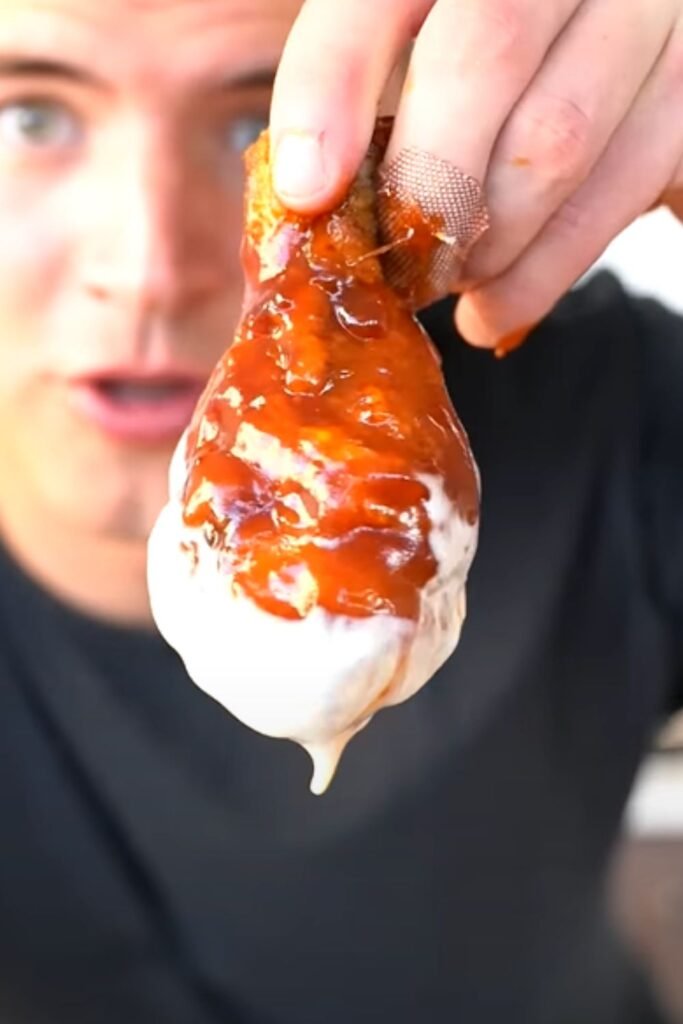
My stovetop barbecue chicken success depends heavily on having the right tools and ingredients at hand. Over the years, I’ve learned that certain equipment choices can make or break this recipe.
Equipment Essentials
- Heavy-bottomed skillet or cast iron pan: I prefer cast iron because it retains heat evenly and creates superior searing
- Meat thermometer: Essential for ensuring food safety without overcooking
- Tongs: For safe flipping and maneuvering of chicken pieces
- Small saucepan: For warming and reducing barbecue sauce
- Sharp knife: For proper chicken preparation and slicing
Ingredient Selection
The foundation of exceptional stovetop barbecue chicken starts with quality ingredients. I’ve experimented with various combinations over the years, and these components consistently deliver the best results.
For the Chicken:
- 1.5 pounds boneless, skinless chicken thighs or breasts
- 2 tablespoons olive oil or vegetable oil
- 1 teaspoon kosher salt
- 1/2 teaspoon black pepper
- 1 teaspoon smoked paprika
- 1/2 teaspoon garlic powder
- 1/2 teaspoon onion powder
For the Barbecue Sauce:
- 1/2 cup ketchup
- 2 tablespoons apple cider vinegar
- 2 tablespoons brown sugar
- 1 tablespoon Worcestershire sauce
- 1 teaspoon liquid smoke
- 1/2 teaspoon mustard powder
- 1/4 teaspoon cayenne pepper
Grab the Saving up to 50% from Target Deal Days (Mar 25 to 27, 2026)
Nutritional Information and Benefits
| Component | Per Serving (4 servings total) | Daily Value % |
|---|---|---|
| Calories | 285 | 14% |
| Protein | 32g | 64% |
| Carbohydrates | 12g | 4% |
| Fat | 12g | 18% |
| Fiber | 0.5g | 2% |
| Sugar | 11g | – |
| Sodium | 680mg | 30% |
| Cholesterol | 95mg | 32% |
| Iron | 1.2mg | 7% |
| Potassium | 425mg | 12% |
Chicken thighs, my preferred cut for this recipe, offer several nutritional advantages over breasts. They contain higher levels of iron and zinc, essential minerals that support immune function and energy metabolism. The slightly higher fat content in thighs also means better flavor retention and moisture during the quick cooking process.
Step-by-Step Cooking Method
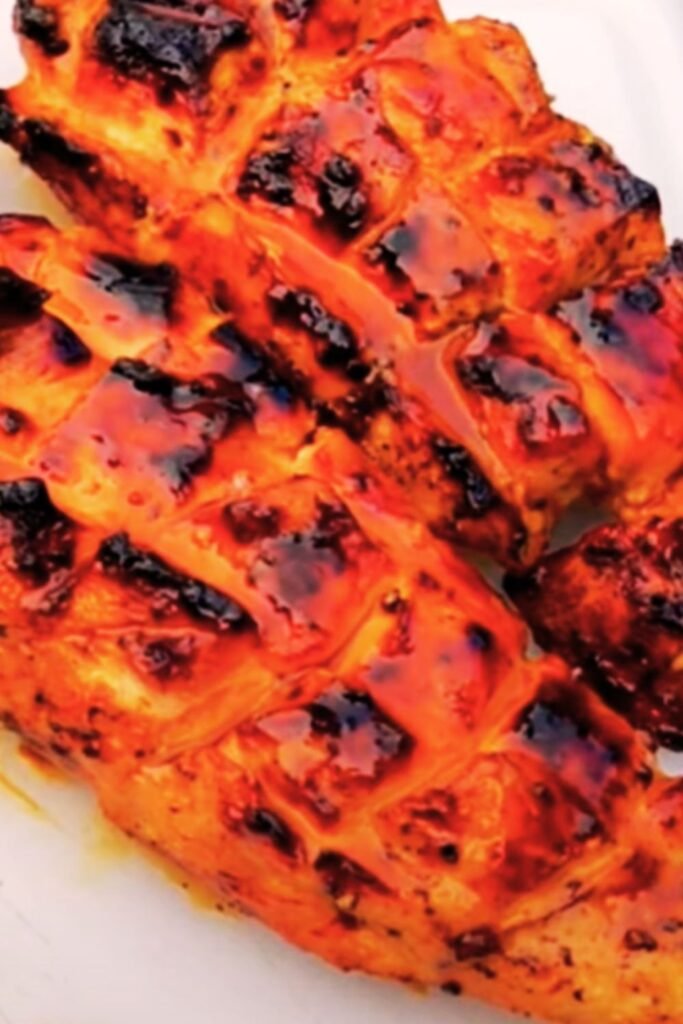
My 15-minute stovetop barbecue chicken method relies on precise timing and technique. I’ve broken down the process into manageable steps that ensure consistent results every time.
Preparation Phase (3 minutes)
I start by removing the chicken from refrigeration about 10 minutes before cooking, allowing it to come closer to room temperature. This step prevents the meat from seizing up when it hits the hot pan, which can lead to uneven cooking.
Next, I pat each piece completely dry with paper towels. Moisture is the enemy of proper searing, and removing surface moisture ensures I’ll achieve that beautiful caramelized crust that makes stovetop barbecue chicken so appealing.
The seasoning blend I use combines salt, pepper, smoked paprika, garlic powder, and onion powder. I rub this mixture thoroughly into both sides of each chicken piece, making sure to work it into any crevices or folds in the meat.
Sauce Preparation (2 minutes)
While the chicken rests with its seasoning, I prepare the barbecue sauce in a small saucepan. Combining ketchup, apple cider vinegar, brown sugar, Worcestershire sauce, liquid smoke, mustard powder, and cayenne pepper, I whisk everything together over low heat.
The key here is gentle warming rather than aggressive boiling. I want the flavors to meld and the sugar to dissolve completely, creating a smooth, glossy sauce that will cling beautifully to the chicken.
Cooking Process (10 minutes)
I heat my cast iron skillet over medium-high heat until it’s hot enough that a drop of water sizzles and evaporates immediately. Adding oil to the hot pan, I swirl it around to ensure even coverage.
Carefully placing the seasoned chicken pieces in the skillet, I resist the urge to move them immediately. The first 3-4 minutes are crucial for developing that golden-brown crust. I listen for the steady sizzle that indicates proper heat level – too quiet means not hot enough, while aggressive spattering suggests the temperature is too high.
After the initial sear, I flip each piece using tongs, never a fork that might pierce the meat and release precious juices. The second side gets another 3-4 minutes of undisturbed cooking time.
Grab the Saving up to 50% from Target Deal Days (Mar 25 to 27, 2026)
Temperature and Timing Guidelines
| Chicken Cut | Initial Sear Time | Flip Time | Final Temp | Total Cook Time |
|---|---|---|---|---|
| Boneless Thighs | 4 minutes | 4 minutes | 165°F | 8-10 minutes |
| Boneless Breasts | 3 minutes | 3 minutes | 165°F | 6-8 minutes |
| Bone-in Thighs | 5 minutes | 6 minutes | 165°F | 11-12 minutes |
| Tenderloins | 2 minutes | 2 minutes | 165°F | 4-5 minutes |
During the final 2 minutes of cooking, I brush the warmed barbecue sauce generously over each piece, allowing the sugars in the sauce to caramelize slightly while the chicken finishes cooking. This creates that glossy, sticky coating that defines great barbecue chicken.
Flavor Variations and Customization
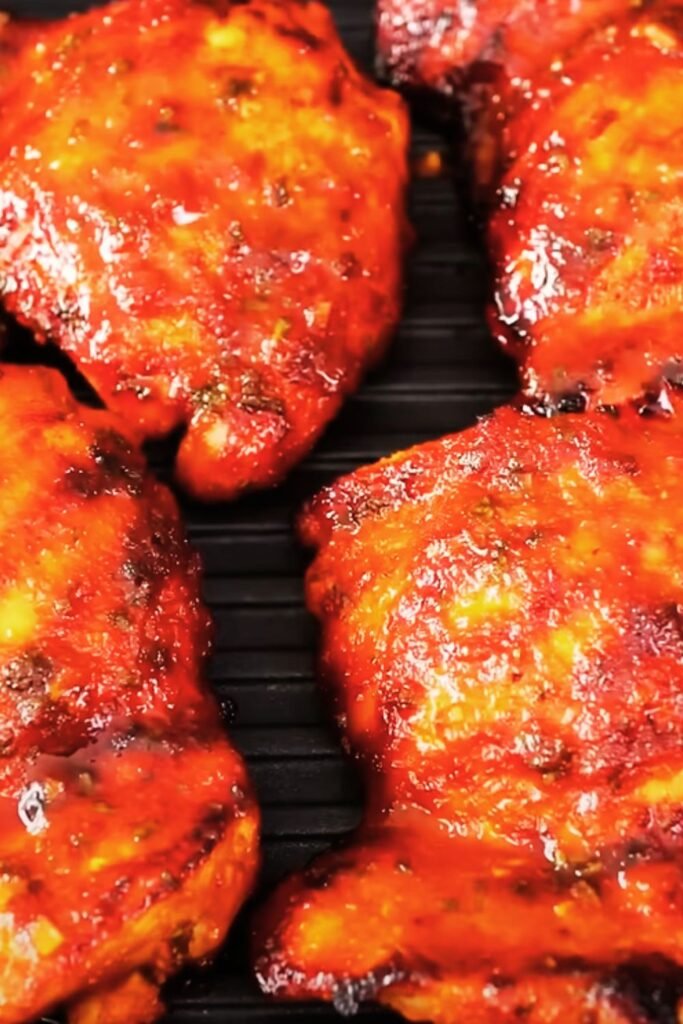
One of my favorite aspects of this recipe is its incredible versatility. I’ve developed several flavor variations that keep this dish exciting, even when I’m making it multiple times per week.
Regional BBQ Styles
Kansas City Style: I increase the brown sugar to 3 tablespoons and add a tablespoon of molasses for that signature sweet profile. A pinch of celery seed rounds out the flavor complexity.
Carolina Style: Swapping apple cider vinegar for the base, I add yellow mustard powder and reduce the ketchup by half. This creates a tangier, more acidic profile that cuts through rich side dishes beautifully.
Memphis Dry Rub: Sometimes I skip the sauce entirely during cooking, instead creating a robust dry rub with smoked paprika, brown sugar, chili powder, cumin, and dried herbs. I serve the sauce on the side for dipping.
Spice Level Adjustments
| Heat Level | Cayenne Amount | Additional Spices | Scoville Units |
|---|---|---|---|
| Mild | 1/8 teaspoon | None | 500-1,000 |
| Medium | 1/4 teaspoon | Pinch of chili powder | 2,500-5,000 |
| Hot | 1/2 teaspoon | 1/4 tsp chipotle powder | 8,000-15,000 |
| Extra Hot | 3/4 teaspoon | 1/2 tsp ghost pepper powder | 25,000+ |
International Influences
I’ve experimented with incorporating flavors from other cuisines into this basic template. Adding gochujang instead of cayenne creates a Korean-inspired version with complex umami depth. Substituting soy sauce for Worcestershire and adding fresh ginger yields an Asian fusion approach that pairs beautifully with steamed rice.
Grab the Saving up to 50% from Target Deal Days (Mar 25 to 27, 2026)
Serving Suggestions and Pairings
The versatility of this stovetop barbecue chicken extends to how I serve it. Depending on the occasion and my family’s mood, I might present it as the centerpiece of a hearty dinner or slice it for sandwiches and salads.
Traditional Pairings
Classic Sides: Creamy coleslaw provides a cool, crisp contrast to the warm, saucy chicken. The acidic dressing cuts through the richness while the vegetables add textural variety. Corn on the cob, whether fresh or frozen, offers natural sweetness that complements the barbecue flavors.
Comfort Food Combinations: Mac and cheese transforms this into an indulgent comfort meal. The creamy, cheesy pasta balances the bold barbecue flavors while creating a satisfying, stick-to-your-ribs dinner.
Lighter Options
When I’m looking for something less heavy, I serve the sliced chicken over mixed greens with cherry tomatoes, cucumber, and a light vinaigrette. The barbecue flavors add excitement to what might otherwise be a plain salad.
Stuffed sweet potatoes make another excellent lighter pairing. The natural sweetness of the potato complements the barbecue sauce while providing complex carbohydrates and fiber.
Sandwich Applications
This chicken excels in sandwich form. I slice it thin and pile it on brioche buns with additional barbecue sauce, pickles, and onion. The quick cooking method ensures the meat stays tender and juicy, never dry or tough.
Common Mistakes and Solutions
| Common Mistake | Why It Happens | My Solution | Prevention Tip |
|---|---|---|---|
| Dry, overcooked chicken | High heat, too long cooking | Use meat thermometer | Check temp at 6 minutes |
| Burnt sauce | Sauce added too early | Brush sauce last 2 minutes | Keep sauce warm separately |
| Uneven cooking | Pieces different sizes | Cut to uniform thickness | Pound thicker pieces |
| Sticking to pan | Pan not hot enough | Preheat properly | Test with water droplet |
| Bland flavor | Insufficient seasoning | Season 30 minutes ahead | Salt draws out moisture |
Through countless iterations of this recipe, I’ve encountered and solved most of the common problems that can derail stovetop barbecue chicken. The most frequent issue I see, both in my own early attempts and when friends try the recipe, involves temperature control.
Many home cooks worry about undercooking chicken and compensate by using excessive heat or cooking too long. This approach inevitably leads to dried-out meat with a bitter, burnt exterior. I’ve learned that medium-high heat provides the ideal balance – hot enough for proper searing but controlled enough to cook the interior gently.
Storage and Reheating
Proper storage techniques ensure this chicken maintains its quality for several days. I cool the cooked chicken completely before refrigerating, typically within two hours of cooking. Stored in airtight containers, it remains safe and delicious for up to four days.
When reheating, I prefer using the oven at 350°F rather than the microwave. This method helps restore some of the exterior texture that makes the dish so appealing initially. I cover the chicken loosely with foil and heat for 10-12 minutes, or until the internal temperature reaches 165°F again.
For meal prep purposes, I sometimes cook larger batches and portion them into individual containers with different sides. This approach gives me ready-made lunches throughout the week that require minimal additional preparation.
Scaling the Recipe
This recipe scales beautifully for different serving sizes. When cooking for a crowd, I use multiple skillets rather than trying to overcrowd a single pan. Overcrowding reduces the pan temperature and prevents proper searing, leading to steamed rather than seared chicken.
For smaller portions, I simply halve all ingredients. The cooking times remain essentially the same since individual pieces don’t change size. However, I do reduce the sauce quantities proportionally to avoid waste.
Grab the Saving up to 50% from Target Deal Days (Mar 25 to 27, 2026)
Questions and Answers
Q: Can I use chicken breasts instead of thighs for this recipe?
Absolutely! I use chicken breasts regularly with this method. The main adjustments involve timing – breasts typically cook 1-2 minutes faster than thighs due to their leaner composition. I also pound thicker breasts to an even thickness, usually about 3/4 inch, to ensure uniform cooking.
Q: What if I don’t have liquid smoke for the barbecue sauce?
I’ve made this sauce numerous times without liquid smoke when I’ve run out. While it adds authentic barbecue flavor, you can substitute smoked paprika (increase to 1 teaspoon) or simply omit it entirely. The sauce will still be delicious, just with a slightly different flavor profile.
Q: How do I know when the chicken is properly cooked without overcooking it?
This question comes up frequently, and my answer always emphasizes using a meat thermometer. Visual cues can be misleading, especially with sauced chicken. I insert the thermometer into the thickest part of the meat – when it reads 165°F, the chicken is perfectly cooked and safe to eat.
Q: Can I prepare the barbecue sauce in advance?
Yes, and I often do this for meal prep efficiency. The sauce actually improves in flavor when made a day ahead, allowing all the ingredients to meld together. I store it covered in the refrigerator for up to a week, warming gently before use.
Q: Why does my chicken stick to the pan even when I use oil?
Pan sticking usually indicates one of two problems: either the pan isn’t hot enough when you add the chicken, or you’re trying to flip the meat before it’s properly seared. I always test pan readiness with a few drops of water – they should sizzle and evaporate immediately. Once the chicken goes in, I resist moving it for the full searing time.
Q: Can I double the recipe for a larger family?
Doubling works perfectly, but I recommend using two skillets rather than cramming everything into one pan. Overcrowding reduces the pan temperature and creates steam instead of the dry heat needed for proper searing. With two pans, you can maintain the same timing and achieve consistent results.
Q: Is there a way to make this recipe healthier without sacrificing flavor?
I’ve developed several lighter variations that maintain the recipe’s appeal. Using skinless chicken automatically reduces calories and fat. For the sauce, I sometimes substitute sugar-free brown sugar substitute and reduce the ketchup slightly while adding more vinegar for tanginess. The flavor remains robust while cutting approximately 30% of the calories.
Q: What sides work best with this chicken for a complete meal?
My go-to combinations include roasted vegetables like Brussels sprouts or broccoli, which provide nutrition and color contrast. For something more substantial, garlic mashed potatoes or wild rice pilaf complement the barbecue flavors beautifully. I always include something acidic, like a simple cucumber salad, to balance the richness of the sauce.
This stovetop barbecue chicken recipe has revolutionized my approach to weeknight cooking. In just 15 minutes, I can create a meal that tastes like it took hours to prepare. The technique is endlessly adaptable, the ingredients are readily available, and the results consistently satisfy my family’s craving for bold, comforting flavors. Whether you’re a busy parent looking for quick dinner solutions or someone who simply loves great-tasting chicken, this method will become an indispensable part of your cooking repertoire.
